
Ujjain 2-Day Temple Circuit Itinerary: Mahakal, Harsiddhi, Kal Bhairav & Shipra River
Credit: Trawell.in
The city of Ujjain, nestled in the heart of Madhya Pradesh, is a spiritual haven that pulses with the rhythm of devotion and tradition. For those seeking to immerse themselves in its rich cultural tapestry, two days are more than sufficient to witness its main temples, explore its vibrant markets, and find solace by the Shipra River. This itinerary is crafted for first-time visitors staying near the Mahakaleshwar Temple, with a focus on aligning activities with the city’s sacred aarti schedule.
Why Plan Around the Aarti Rhythm
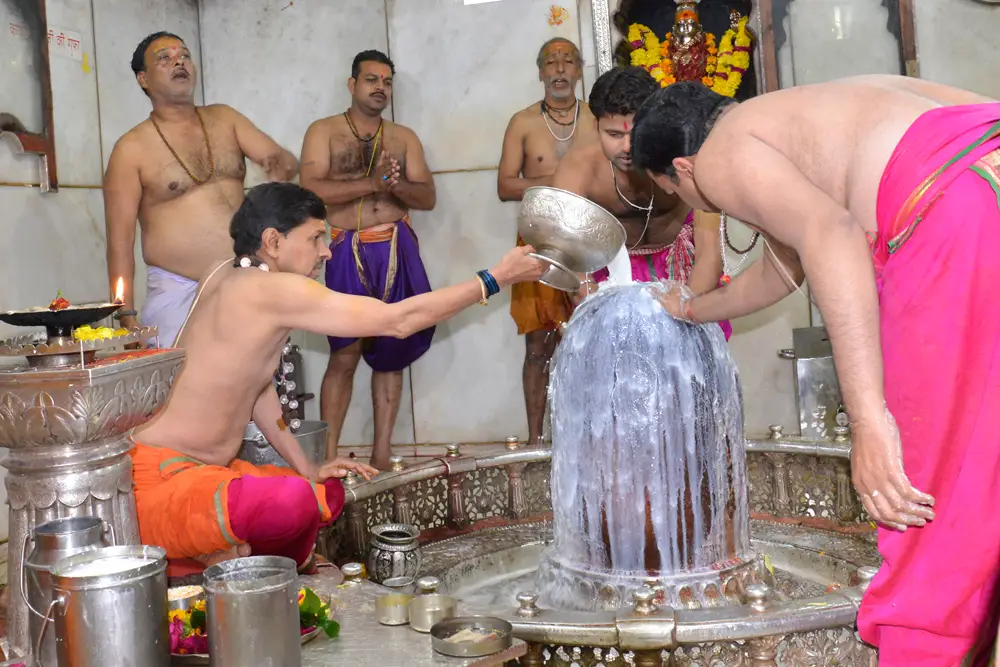
Ujjain’s spiritual essence is deeply intertwined with its aarti rituals, which mark the beginning and end of daily worship. The Bhasma Aarti at Shri Mahakaleshwar Temple, which usually begins around 4:00 AM and lasts about an hour , is a pivotal moment that sets the tone for the day. Following this, the Mahakal Lok corridor, known for its breathtaking illumination after 7 PM , becomes a highlight of the evening. By planning around these key moments, visitors can ensure they experience the city at its most spiritually resonant.
Day 1: Mahakal & the Temple Circuit
Day one begins with the early morning Bhasma Aarti at Mahakaleshwar Temple, a sacred site that is the spiritual heart of Ujjain. As the aarti commences, the temple complex comes alive with the scent of incense and the sound of chanting. After the aarti, visitors can explore the Mahakal Lok corridor, which is free to enter and offers a stunning view of the temple complex, especially after it is illuminated .
From there, a short walk leads to the Harsiddhi Temple, one of the 51 Shakti Peethas, and a significant pilgrimage site . The temple is easily accessible and offers a serene environment for reflection. The journey back to the Mahakaleshwar Temple is a brief one, allowing time to recharge before the day’s events.
In the afternoon, the Kal Bhairav Temple, a fierce guardian deity of Ujjain, awaits. Known for its unique tradition of liquor offerings, this temple is a must-visit for those interested in local customs and rituals . The temple is located just a few kilometers from the Mahakaleshwar Temple, making it a convenient addition to the itinerary.
As the sun sets, the Shipra River becomes a focal point. The Ram Ghat, a popular spot for the Shipra River aarti, is a beautiful place to witness the evening’s ritual . The river’s gentle flow and the soft glow of the aarti create a tranquil atmosphere, perfect for those seeking peace and reflection.
Day 2: Temples, Markets & Riversides
Day two starts with a visit to the Chintaman Ganesh Temple, an ancient swayambhu shrine on the Shipra bank . This temple is a great place to enjoy the scenic views of the river and the surrounding landscape. Afterward, a short walk leads to the Gadhkalika Temple, a Shakti Peetha with historical ties to the poet Kalidasa . The temple’s architecture and history make it a worthwhile stop.
For those interested in the city’s cultural heritage, the Sandipini Ashram, a historic site where the 64 arts were taught, is a must-visit . The ashram’s serene environment and rich history offer a glimpse into the city’s artistic legacy.
In the late afternoon, the Ram Janardhan Mandir, a 17th-century shrine linked to Rama’s exile, provides a fascinating glimpse into Ujjain’s religious history . The temple’s architecture and the stories behind its construction make it a compelling destination.
As the day winds down, the Shipra River once again becomes a focal point. The evening aarti at Ram Ghat is a beautiful way to conclude the trip, with the river’s gentle flow and the soft glow of the aarti creating a magical atmosphere.
Group & Family Logistics
For families and groups, Ujjain offers a range of accommodations that cater to different needs. Staying near the Mahakaleshwar Temple ensures easy access to the main attractions. The city is also well-connected by road, with a drive from Indore taking approximately one hour .
Visiting with children can be a rewarding experience, as many of the temples and sites are family-friendly. However, it is important to note that some temples may have restricted hours or require prior booking. Visitors should confirm local guidelines and adjust their schedules accordingly.
Q: What is the best time to visit Ujjain?
A: The best time to visit Ujjain is between October and February, when the weather is pleasant and the temples are more crowded with pilgrims.
Q: Are the temples open during the night?
A: Most temples are open during the night, but some may have restricted hours. It is advisable to check with the temple authorities for the latest information.
Q: Can I visit the Mahakal Lok corridor at any time?
A: The Mahakal Lok corridor is free to enter and most spectacular after 7 PM when illuminated . Visiting during the evening is highly recommended.
Q: How long does the Bhasma Aarti last?
A: The Bhasma Aarti at Shri Mahakaleshwar Temple usually lasts about an hour . Visitors are encouraged to arrive early to witness the ceremony.
Q: Are there any restrictions on photographing the temples?
A: Some temples may have restrictions on photographing sacred areas. It is advisable to ask the temple staff for guidance.
Q: What is the significance of the Shipra River aarti?
A: The Shipra River aarti at Ram Ghat is a significant ritual that marks the end of the day’s worship. It is a peaceful and serene experience .
Source: Hotel Shrimmaya Travel Desk, based on MP Tourism and local Ujjain tourism resources.
 *Premium AC rooms · On-site parking · 24/7 cab service to Mahakal Temple · Walkable to Bhasma Aarti · Family suites available*
**📞 Call: +91-79998-90676** | **✉️ Email: info@shrimmaya.com**
