
Walking the Northern Temple Circuit of Ujjain: From Gentle Grace to Fierce Guardians
Walking the Northern Temple Circuit of Ujjain: From Gentle Grace to Fierce Guardians
Ujjain changes mood as you move through it. The lanes near Pipli Naka feel quieter, the Urdupura belt feels busier, and Bhairavgarh carries a harsher edge. If you follow the route with care, the city opens in layers. One shrine leads to another. One mood follows the next. By the time you reach Kaal Bhairav, Ujjain temple, you understand why this city holds such a strong place in sacred memory.
This is not a random collection of shrines. It is a mapped devotional walk. You start with the gentle, move into the fierce, then end near the river with a sense of stillness. That sequence matters. It saves time, avoids backtracking, and also matches the spiritual tone of the city. For pilgrims, local visitors, or travelers searching for a comfortable hotel near me before setting out, the route gives structure to a city that can feel dense and overwhelming at first glance.
Ujjain sits at the heart of a sacred imagination that stretches across centuries. The Kshipra river anchors that world. Saints, poets, kings, and ritual specialists all leave their mark here. In the temples, you feel that history not as a museum display, but as a living current. The city does not speak in one voice. It speaks through Shakta shrines, Ganesha shrines, Bhairav shrines, river banks, cremation-ground traditions, and old literary memory. That mix is what makes this circuit worth walking slowly.
Route Guidelines & Essential Tips
For a visitor planning this circuit, keeping to a few practical steps saves energy and keeps the experience smooth:
- Start Early from Your Base: Whether you are staying near the station or booked a room at a hotel near me in the northern district, begin early in the morning to beat the heavy crowds that build up quickly at Bhairavgarh.
- Cash Readiness: Keep small-denomination cash ready for ritual offerings and floral garlands.
- Footwear Management: Wear slip-on footwear that comes off easily at multiple temple gates.
- Hydration for Walking: Carry water for the pedestrian stretch through the Urdupura cluster, especially if your hotel near me is located further away in the main town.
- Final Transit: Arrange auto or vehicle transport in advance for the final riverbank segment near the cremation ground.
1. Maa Tripur Sundari Mata Ji and Trimurti Mataji Mandir
Location & Map Access:
Located in the Pipli Naka area, serving as the southern gateway to this northern circuit.
History & Significance:
Setting out early from a hotel near me in central Ujjain makes Maa Tripur Sundari Mata Ji and Trimurti Mataji Mandir a fitting starting point. The shrine sits a little south of the other temples in this circuit, and that placement gives it a natural role as an opening stop. The atmosphere here feels calm and settled. The noise of the city drops away the moment you step inside. For many devotees, this is the place where the mind slows down and the route begins to feel sacred rather than merely physical.
The temple is linked with Lalita Tripura Sundari, a powerful goddess in the Shakta tradition. She is associated with beauty, prosperity, and the three worlds. The central idol is treated as Swayambhu, or self-manifested. That belief adds weight to the shrine. It tells devotees that the goddess was not made by human hands; she emerged on her own. That idea changes the mood of the visit—you stand before a presence believed to have risen from the earth itself.
The Trimurti aspect also matters here. Creation, preservation, and destruction all find place in this shrine’s meaning. Kings are said to have prayed here before war, and merchants came for prosperity. In a city where fierce forms of the divine dominate large stretches of the pilgrimage map, this temple provides the first quiet note.
Puranic & Literary Context:
The Brahmanda Purana gives great importance to Lalita Tripura Sundari. In the stories told around her, Hayagriva teaches Agastya about her glory, and the goddess appears as the supreme mother who answers the prayers of the gods. The Lalita Sahasranama gives her a thousand names, each one carrying another shade of meaning. The temple at Ujjain fits smoothly into that tradition, reflecting the wider idea of the goddess as ultimate reality and the Sri Chakra as her cosmic form.
2. Gadhkalika Mata Shakti Peeth Temple
Location & Map Access:
Situated within the historical Urdupura sector.
History & Significance:
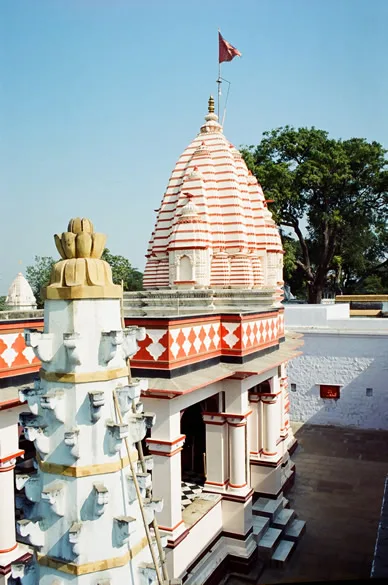
From Pipli Naka, the route moves into Urdupura, where Gadhkalika Mata Shakti Peeth Temple stands with a much stronger force. The change is immediate. The structure feels large and firm, almost like a fort. The Nagara-style design gives it an old and imposing presence. Devotees often speak of this shrine with deep respect because it belongs to the wider Shakti Peetha tradition. Here, the goddess is not only nurturing; she is fierce, protective, and powerful.
Local tradition places this shrine among the great Shakti centers, and the story of Sati gives it added significance. The belief that her upper lip fell here gives the temple a precise place in sacred geography. Historical traditions connect it to early times, with major restorations linked to rulers such as Emperor Harshavardhana in the 7th century and later the Gwalior State. The energy here feels intense, and the crowd often slows down as the mind tightens with reverence.
Gadhkalika also carries literary memory through the story of Kalidasa. The popular tale of the simple-minded youth who prayed here and was blessed by the Goddess to become one of classical Sanskrit’s greatest poets still shapes how people imagine the site.
Puranic & Literary Context:
The Shiva Purana and Skanda Purana strengthen the goddess tradition around this site. The Shiva Purana explains the origin of the Shakti Peethas through the story of Sati and Shiva. The Skanda Purana, especially in the Avantika Khand, places Ujjain within a vast sacred geography, while the Devi Bhagavata Purana preserves lists of these holy spots. Kalidasa himself praised the deity in works like the Shyamala Dandakam.
3. Shree Sthirman Ganesh Temple
Location & Map Access:
Located adjacent to the Gadhkalika complex in the Urdupura cluster.
History & Significance:
A few steps away, Shree Sthirman Ganesh Temple changes the rhythm again. This shrine is smaller in scale, but it plays an important role in the route. The name itself is useful: Sthirman suggests steadiness (Sthirta = stability, Man = mind). The temple offers a place to settle the mind before moving toward more intense forms of worship. For many visitors, it feels like a pause point—a short grounding stop before the next surge of energy.
Ganesha always holds a first place in devotional order, and this temple reflects that logic well. People come here seeking mental balance, removal of obstacles, and a cleaner inner state. The atmosphere is quiet, focused, and calm. In a circuit that includes fierce deities and crowded pathways, that calmness matters.
Puranic & Literary Context:
The Ganesha Purana and Mudgala Purana place Ganesha in major theological roles as the supreme remover of barriers before any serious endeavor. The Skanda Purana notes numerous Ganesha shrines across Ujjain, with Sthirman Ganesh acting specifically as the mental stabilizer required prior to undertaking intense Shakta or Tantric practices.
4. Shree Vaibhav Mahalakshmi Mandir
Location & Map Access:
Situated within short walking distance of Gadhkalika in the Urdupura area.
History & Significance:
Then comes Shree Vaibhav Mahalakshmi Mandir. This temple softens the emotional tone after the intensity of Kali and the steadiness of Ganesha. Mahalakshmi is associated with wealth, grace, beauty, and well-being. The shift is noticeable. Devotees offer lotus flowers here, and the mood becomes lighter. The name Vaibhav suggests grandeur and abundance, giving the shrine a warm, prosperous feeling.
The contrast between Kali and Lakshmi is one of the strengths of the Urdupura cluster. One shrine burns with fierce force; the next offers wealth and comfort. That balance shows how sacred space works in Ujjain: power and peace share the same urban landscape without dividing the divine into separate corners. If you are looking for a hotel near me in this precinct, you will find quiet guesthouses nestled nearby.
Puranic & Literary Context:
The Lakshmi Tantra, Devi Mahatmyam, and Vishnu Purana support the idea of Lakshmi as a force of cosmic order, grace, and prosperity. In the Ujjain setting, that background feels concrete. After visiting a fierce shrine, this temple feels like a soft landing that balances the earlier energy.
5. Shri Kaal Bhairav Mandir
Location & Map Access:
Located in the Bhairavgarh sector, north of Urdupura.
History & Significance:
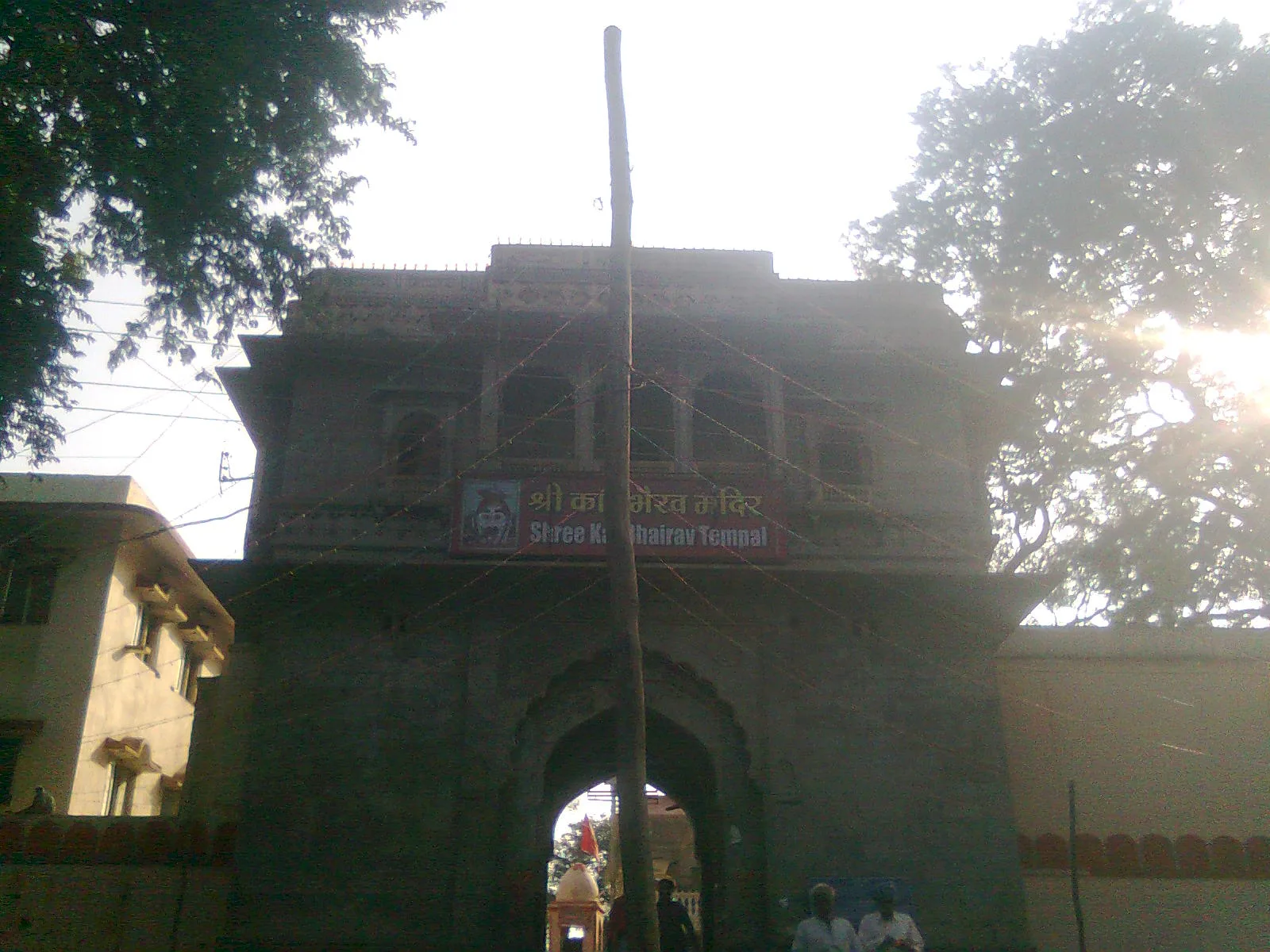
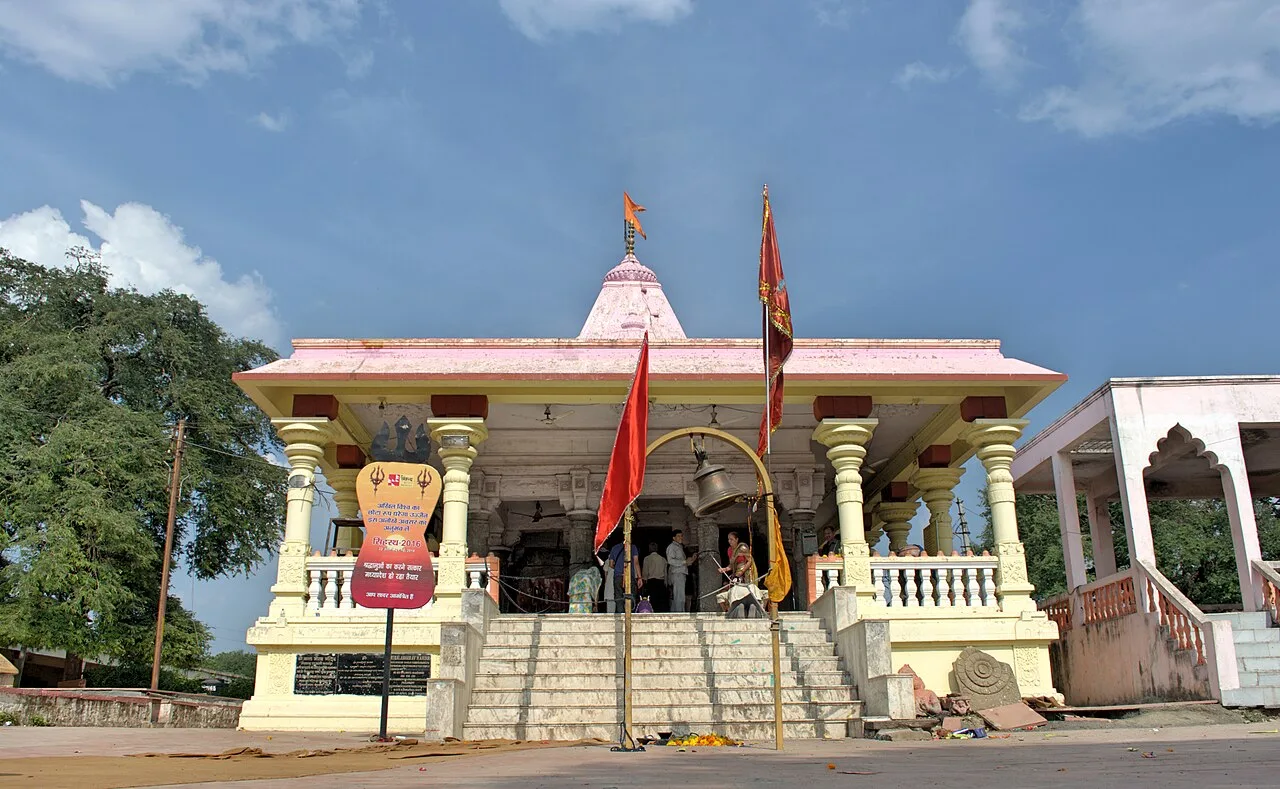
From Urdupura, the route heads to Bhairavgarh. This is where the mood changes most sharply. Kaal Bhairav stands here as the city’s fierce guardian. The shrine is among the most important in Ujjain, and many devotees treat it as essential to the pilgrimage. The title of Kotwal, or guardian, reflects a deeply rooted belief that Kaal Bhairav watches over the city and protects its sacred order. Travelers staying at a hotel near me around Bhairavgarh get to experience the early morning temple bell calls.
The crowd here is often heavy, and lines can run long. The wait deepens the visit, placing you in a focused state of attention. The deity belongs to Shiva’s fierce aspect, meaning the energy here is direct, hard-edged, and commanding.
The liquor offering tradition is one of the most striking customs in the temple. A bottle is brought, handed over, and offered through the priest into a small vessel near the idol’s lips. This is a known part of the temple’s ritual life, carrying a deep link with Bhairav worship and older Tantric and Shaiva currents. Older sects such as the Aghoras and Kapalikas historically patronized this site.
Puranic & Literary Context:
The Shatarudra Samhita of the Shiva Purana describes the manifestation of Bhairav as a form born to correct arrogance and restore order. The Skanda Purana places Bhairav in the protective structure around Mahakaleshwar, mandating his darshan for a complete pilgrimage.
6. Shree Vikrant Bhairav Temple
Location & Map Access:
Set on the northern bank of the Kshipra River near the Aukhaleshwar Crematorium.
History & Significance:
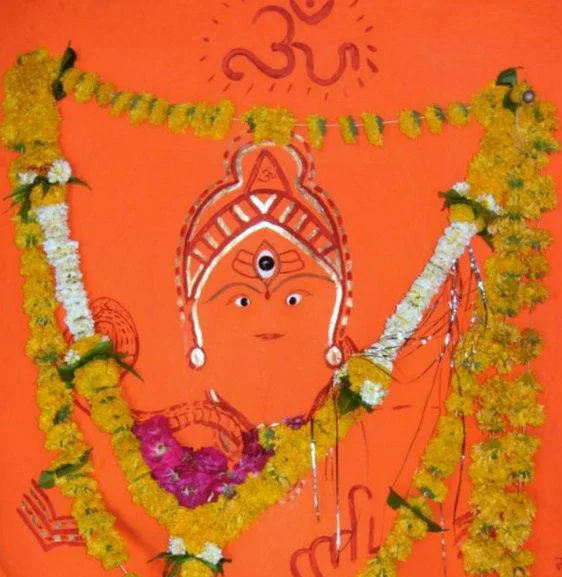
The last stop in the route, Shree Vikrant Bhairav Temple, lies near the Aukhaleshwar crematorium and the Kshipra river bank. After the crowd and force of Bhairavgarh, this site feels quiet and spare. The riverbank gives the place a meditative quality, and the nearby cremation-ground context deepens the sense of transition. This is a place where the sacred and the final boundaries of life sit close together.
The temple is linked in tradition with King Vikramaditya, who worshipped here for ultimate strength. The story of its decline, later restoration by Rani Ahilyabai of Indore, and rediscovery in 1960 through the mystic Baba Dabral adds a layered history. It suggests that divine presence does not disappear even when buried; it returns when the time is right.
Puranic & Literary Context:
The Avantika Khand of the Skanda Purana maps the Kshipra banks as a sacred zone filled with Bhairav shrines and river crossings. Historical texts like the Prabandhacintamani preserve memories of King Vikramaditya’s devotion to these fierce Shiva forms, while the Vayu Purana highlights the transformative spiritual value of penance near cremation grounds.
What makes this Ujjain route memorable is the sequence: the calm of Tripur Sundari, the force of Gadhkalika, the steadiness of Ganesha, the grace of Mahalakshmi, the power of Kaal Bhairav, and the silence of Vikrant Bhairav by the river. Each stop has its own voice, building a complete sacred journey. Whether you retire back to a hotel near me in town or rest near the ghats, Ujjain keeps its traditions distinct within the same urban landscape, giving the pilgrim not only darshan, but structure. At the center of that path stands Kaal Bhairav, watchful and rooted in the oldest temper of the city.
FAQ: Northern Ujjain Temple Circuit
How many temples does the northern Ujjain circuit cover?
Six devotional stops: Maa Tripur Sundari and Trimurti Mataji at Pipli Naka, Gadhkalika Shakti Peeth, Shree Sthirman Ganesh, Shree Vaibhav Mahalakshmi, Shri Kaal Bhairav Mandir, and Shree Vikrant Bhairav Temple by the Kshipra riverbank.
Where does the northern temple circuit begin and end?
The walk begins in the Pipli Naka and Urdupura sector with the calm of Maa Tripur Sundari and closes at Shree Vikrant Bhairav Temple on the northern bank of the Kshipra River.
Why is Shri Kaal Bhairav Mandir called the Kotwal of Ujjain?
Kaal Bhairav is regarded as the city guardian who watches over Ujjain and protects its sacred order. The Skanda Purana places Bhairav in the protective structure around Mahakaleshwar and makes his darshan mandatory for a complete pilgrimage.
What is the liquor offering tradition at Shri Kaal Bhairav Mandir?
A bottle is brought, handed over, and offered through the priest into a small vessel near the idol. It is a known part of the temple ritual life with deep roots in Bhairav worship and older Tantric and Shaiva currents patronized by sects such as the Aghoras and Kapalikas.
