
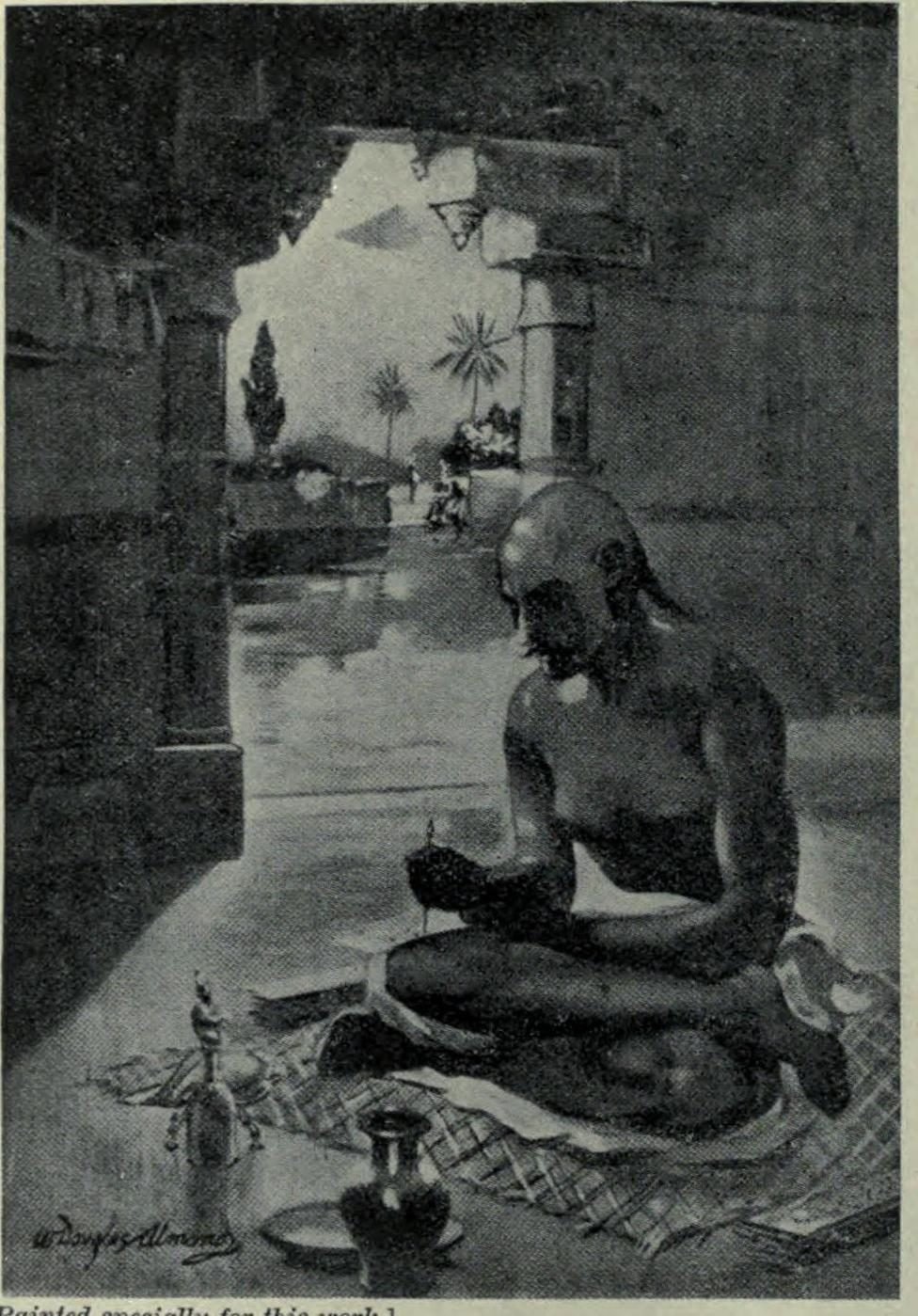
Vikramaditya and Kalidasa in Ujjain: Heritage, Legends, and Travel Guide
Explore Vikramaditya, Kalidasa, Bhartrhari, and Kalidas Samaroh in Ujjain. A fact-labeled heritage guide for pilgrims, VIPs, artists, and culture travelers.
Ujjain is not only a city of temples; it is also a city of stories, poetry, and enduring cultural memory. This dedicated Vikramaditya and Kalidasa heritage guide brings together the legends of King Vikramaditya, the literary brilliance of Kalidasa, the philosophical legacy associated with Bhartrhari, and the living tradition of Kalidas Samaroh. It is designed as a hub for travellers, pilgrims, and culture seekers who want to experience Ujjain beyond a single darshan.
Why this heritage section matters
Like the 84 Mahadev Yatra, this section is a connected guide series. Each page explores a different layer of Ujjain’s heritage: royal legend, Sanskrit literature, renunciation philosophy, and the modern cultural festival that keeps Kalidasa’s memory alive. Where history is clear, we state it clearly. Where tradition or legend is involved, we label it carefully.
Explore the series
- King Vikramaditya in Ujjain: Legends, History, and Vikram Samvat
- Kalidasa in Ujjain: Epics, Plays, and Meghaduta
- Bhartrhari, Shatakatraya, and Ujjain’s Renunciation Legacy
- Kalidas Samaroh Ujjain: History, Venue, and How to Reach
Fact, legend, and living tradition
Vikramaditya is a legendary figure in major Indian story cycles such as Vetala Panchavimshati and Simhasana Dvatrimsika, often associated with Ujjain. Historians also note that “Vikramaditya” was a title used by historical rulers, and the link between the 57 BCE Vikram Samvat and a specific Vikramaditya is debated. Kalidasa, meanwhile, is firmly celebrated as one of Sanskrit literature’s greatest poets and dramatists; his Meghaduta gives Ujjayini an unforgettable literary presence. Bhartrhari is associated with both philosophical grammar and the poetic Shatakatraya, though modern scholarship treats the identity carefully.
How to experience this heritage in Ujjain
Start at Mahakaleshwar and Harsiddhi, then add Kalidas Sanskrit Akademi, Bhartrihari Caves, Ram Ghat, and the Kalidas Samaroh season if you are visiting in November. For current festival updates, see our Kalidas Samaroh underway update and Kalidas Samaroh opening update.
Frequently Asked Questions
Q: Was King Vikramaditya a historical ruler of Ujjain? A: Vikramaditya is a legendary and culturally central figure associated with Ujjain, but historians debate whether he corresponds to one specific historical king. The name was also used as a title by later rulers.
Q: Why is Kalidasa connected to Ujjain? A: Kalidasa’s Meghaduta vividly describes Ujjayini, including Mahakala and the Shipra. His exact biography is debated, but his literary connection to Ujjain is strong.
Q: What is Shatakatraya? A: Shatakatraya is a collection of three Sanskrit century-poems traditionally associated with Bhartrhari: Niti (ethics), Shringara (love), and Vairagya (renunciation).
Q: What is Kalidas Samaroh? A: Kalidas Samaroh is an annual cultural festival in Ujjain celebrating Kalidasa’s legacy through plays, music, dance, and scholarly programmes, with roots in 1958 and institutional support from Kalidasa Akademi.
Q: Can I visit these heritage places in one trip? A: Yes. With local planning, you can combine Mahakal, Ram Ghat, Bhartrihari Caves, Kalidas Sanskrit Akademi, and nearby heritage stops in a 1–2 day Ujjain itinerary.
Plan your heritage trip
Want a guided Ujjain heritage itinerary covering Mahakal, Kalidas Samaroh, and cultural landmarks? Shrimm Tours and Travels can help plan your visit.
With three decades of hospitality legacy in Ujjain, Shrimmaya proudly hosts VIP guests, artists, performers, and cultural delegations. If you’re travelling for Kalidas Samaroh, a performance, or a heritage visit, Book Now / Contact us or plan with Shrimm Tours and Travels for stays, transfers, and curated local planning.
Sources: Wikipedia: Vikramaditya; Wikipedia: Kalidasa; Kalidasa Sanskrit Akademi; Works of Kalidasa, Vol. 1 (Devadhar, Archive.org); Works of Kalidasa, Vol. 2 (Devadhar, Archive.org).
